Would you believe that tiny plastics, sized less than 5mm, can enter your body unknowingly?
Yes, that’s correct! They are Microplastics, unknowingly sneaking into the human body.
What Are Microplastics?
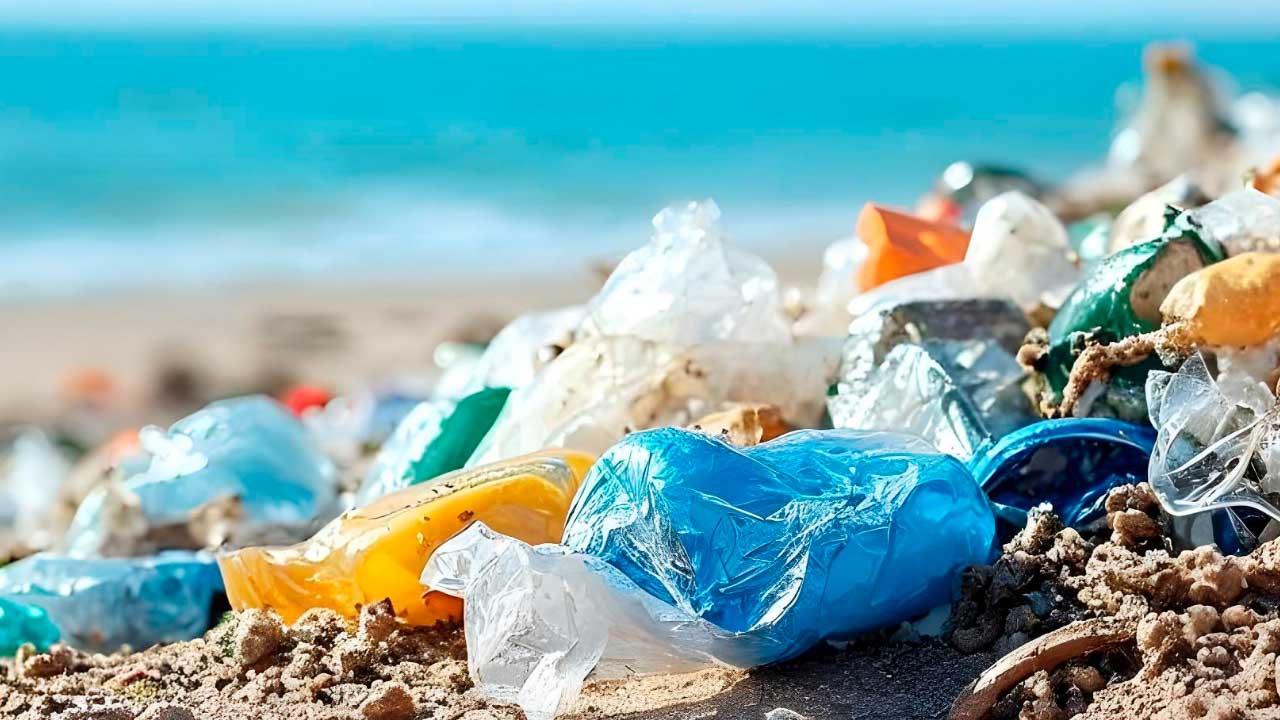
Research claims that microplastics are present everywhere, from the deep oceans to perishable food products and packaged drinking water.
90% of humans consume microplastics unknowingly, often exposing them to severe risks.
While EPR for Plastic regulations aim to mitigate the presence of microplastics from the environment, we must know every possibility to check microplastics from invading the human body!
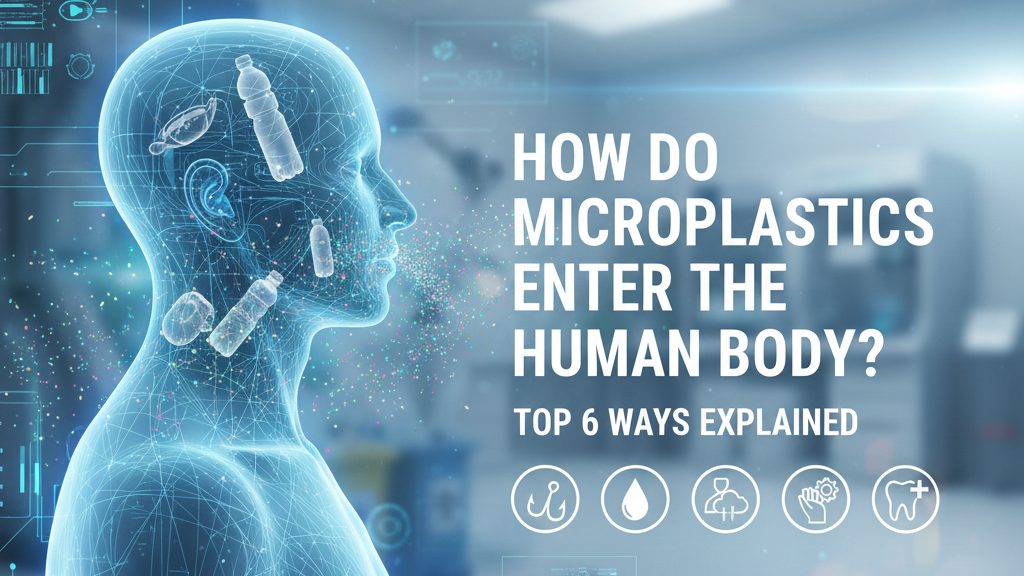
Let’s explore the common ways through which microplastics can enter the human body.
Few Common Ways Microplastics Enter the Human Body – An Overview
- Packaged Drinking Water – Plastic-packed bottled water is the most convenient way for microplastics to enter the human body. Moreover, any kind of water storage or container made of microplastics leaches the water by releasing millions of potential microplastics. Once the water is consumed, it enters the human body.
- How to check? – Start using stainless-steel water bottles or PET plastic bottles, which are EPR for plastic registered for use. Tap water with activated carbon filters is also a drinkable option.
- Who Can Be Impacted? – Drinkers of water from PET packaged bottles are mainly
- Ocean or Seafood & Salt – Do you know that in 2025, ocean pollution is expected to be extremely high? Ever thought why?
That’s because millions of plastic waste enter the ocean annually. The aquatic living species like lobsters, prawns, and squid often consume those microplastics as food, which remains within their body. Humans consuming those things as exotic seafood unknowingly consume microplastics.
- How to Avoid? – Reduce the consumption of shellfish; instead, consuming sweetwater fish reduces the risk of consuming microplastics.
- Who Are impacted majorly? – Sushi and seafood lovers, coastal population that consumes sea-fishes containing a high amount of microplastics.
- Kitchen utilities made of microplastics– Usage of plastics containers, kitchen utilities used for storing vegetables, spices, and other culinary items, is a common practice among Indian households. But, do you know these plastics made of microplastics primarily can migrate with our meals?
- Why to avoid plastic kitchen utilities? – Prolonged exposure to heat and warmth leads to emission of toxic chemicals and microplastics from plastic containers. Cheap plastic made containers are usually made of toxic microplastics. They mix with our meals and food we consume.
- How to Replace These? – Using BIS-quality tested stainless steel kitchen utensils are the best option to replace microplastic containers for storing cooking items in kitchen
- Consumption of Processed Foods – Consuming processed foods unleashes various risks. Apart from health-related hazards, processed edible oils, or acidic products wrapped with non-recyclable plastic packaging, release millions of microplastics. By using those for making foods, the human body ingests microplastics.
- Why to Avoid Plastic-wrapped Processed Foods? – Plastic-packed processed edible foods lead to microplastic emission whenever they are microwaved.
- How to Avoid Edible Items? – Storing foods in glass or silicone containers is the best way to avoid microplastics. Moreover, avoiding heating of microplastic wrapped snacks, edible food items and fast-foods are the best way to prevent processed foods.
- Cosmetic Products containing microplastics – Cosmetic products often contain microplastics found in scrubs, cleansers, etc. Basically, cosmetics containing microplastics like Polyethylene (PE), Polypropylene (PP), Polyethylene Terephthalate (PET) and nylon get absorbed through skin.
- How to avoid these products? – Choose microplastic-free cosmetic products while buying.
- Which Cosmetics contain microplastics? – Facial scrubs, dental products, or synthetic cosmetic creams
- Food items microwaved or heated in plastic containers – Food items microwaved or heated in plastic containers release nanoplastics, which often enter the human body whenever these foods are consumed.
- Why to avoid non-microwave proof plastic containers? – The nanoplastics released from non-microwave proof containers mixed with food, causes inflammation and cytotoxicity in the human body. It can trigger cancer as well!
- Who should be aware? – Parents preparing foods for infants, students and office employees fond of having instant heat and eating noodles, foods, etc. Instead, watch out for certifications and labels before buying any such product that confirms its ‘microplastic-free’.
How EPR Controls Microplastic Circulation In the Environment?
The rise of EPR Plastic regulations in India since 2016 brought a new era for plastic packaging and its design. It took a revolutionary turn due to the following factors listed below-
- Shifting from non-recyclable plastics to EPR for plastic recyclable polymers – Transferring from non-recyclable plastic rule to EPR Plastic recycling rule encouraged compostable or high-yield recyclable polymers.
- Enforcement of labelling and Marking regulations on Plastic Packaging – Recently, labelling and marking became mandatory on respective types of plastic packaging under EPR for Plastic rule from July, 2025. The purpose of introducing this rule is to identify & trace the recyclability of the plastic polymer types with transparency, from now onwards.
- Transferring attractive EPR credit points transfer to plastic recyclers and processors– The innovative framework of EPR credit transfer ensures that the plastics remain free from harmful microplastics, right from their recycled birth. The process offers attractive credit points transferred to EPR wallet to plastic recyclers and processors for recycling every ton of plastic, therefore neutralizing them from harmful microplastics.
Conclusion
The world needs to be free from toxic microplastics as soon as possible to protect this planet and the people living on it.
A sustainable and effective replacement of microplastics is the only solution to protect human lives andthe Earth from microplastic contamination.
After all, it’s the only roadmap leading the world towards Zero-waste emission.