

EPR for Used Oil in India

EPR for Used Oil in India by ARKCA. CPCB registration, collection targets, EPR certificate management, and compliance under Hazardous Waste Rules.

    Understanding EPR

    What It Is & Why It Matters for Used Oil

    Extended Producer Responsibility Explained for Used Oil Management and Legal Compliance in India

    What is EPR ?

    Extended Producer Responsibility (EPR) is an environmental regulatory mechanism that makes producers responsible for managing waste generated from their products after end-of-life. Instead of leaving disposal to informal sectors or local authorities, producers must ensure environmentally sound collection, recycling, or recovery.

    Under CPCB’s framework, obligated entities must register, meet recycling targets, and maintain digital compliance records.

    What is EPR for Used Oil?

    EPR for Used Oil applies to producers and importers of base oil and lubrication oil placed in the Indian market. Under CPCB’s guidelines, they are required to:

    • Register on the CPCB EPR portal

    • Meet annual used oil recycling or re-refining targets

    • Purchase EPR certificates generated by registered recyclers

    • File annual returns and maintain compliance documentation

    The objective is to promote environmentally sound re-refining of used oil, reduce illegal burning or dumping, and strengthen India’s circular economy in petroleum waste management.

    Types of E-Waste Covered Under CPCB EPR Rules

    Used Lubricating Oil

    Used lubricating oil is generated after application in engines, machinery, turbines, gear systems, and industrial equipment. Over time, it becomes contaminated with metal particles, sludge, and chemical impurities. Under CPCB’s EPR framework, it must be collected and sent for re-refining through authorized recyclers.

    Used Engine Oil

    Used engine oil originates from automobiles, commercial vehicles, generators, and heavy equipment. It contains degraded additives, hydrocarbons, and heavy metals such as lead and chromium. Producers placing lubrication oil in the market must ensure environmentally sound recovery to prevent illegal burning or unsafe disposal.
    Used Hydraulic & Industrial Oil

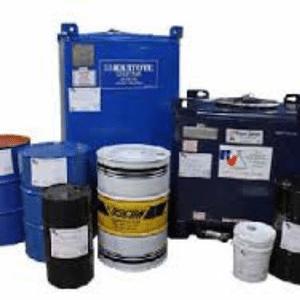
    This includes oil used in hydraulic systems, compressors, transformers, and manufacturing units. After prolonged use, it accumulates contaminants and loses performance characteristics, making it hazardous waste. Channelization to CPCB-registered recyclers or re-refiners is mandatory under EPR compliance requirements.
    Used Specialty Oil

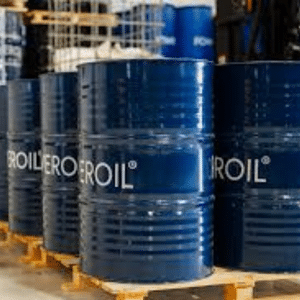
    Specialty oils include transformer oil, heat transfer oil, metalworking fluids, cutting oils, and other performance-enhanced formulations designed for specific industrial applications. Once used and contaminated, these oils fall under hazardous waste regulations and must be properly collected and re-refined or disposed of as per CPCB guidelines.
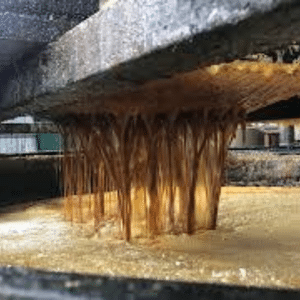
    Waste Oil (Non-Recyclable Oil Residues)

    Waste oil refers to oil residues that cannot be re-refined due to excessive contamination, chemical breakdown, or mixing with incompatible substances. Although not all such waste generates EPR credits, it must be managed under hazardous waste disposal regulations to prevent environmental contamination.

    ARKCA’s End-to-End Support for EPR for E-Waste

    EPR Registration for Used Oil

    Under CPCB’s Extended Producer Responsibility framework for Used Oil, all producers and importers placing base oil or lubrication oil in the Indian market must obtain mandatory registration through the centralized CPCB EPR portal.

    Registration typically requires:

    • Company incorporation and GST details

    • IEC certificate (for importers)

    • Details of base oil or lubrication oil introduced into the market

    • Authorized signatory information

    Without valid EPR registration, producers cannot legally operate in the used oil category. Registration establishes the baseline for compliance monitoring and target calculation.

    EPR Compliance for Used Oil

    Compliance under Used Oil EPR is performance-based. Obligated entities must meet annual recycling or re-refining targets based on the quantity of oil placed in the market during the previous financial year.

    Key compliance requirements include:

    • Ensuring used oil is channelized to CPCB-registered recyclers or re-refiners

    • Meeting prescribed recycling percentages

    • Maintaining digital records of transactions

    • Filing annual returns through the CPCB portal

    The objective is to promote environmentally sound re-refining and prevent unsafe burning or illegal disposal.

    Failure to meet targets may result in environmental compensation as determined by CPCB guidelines.

    EPR Credit Transfer for Used Oil

    The Used Oil EPR framework operates through a digital EPR certificate system.

    Here’s how it functions:

    • Registered recyclers and re-refiners generate EPR certificates after processing eligible used oil

    • Certificates are uploaded to the CPCB portal

    • Producers purchase these certificates to fulfil their annual EPR obligations

    Certificates are traceable, time-bound, and cannot be double-counted. Proper planning of credit procurement is critical to avoid end-of-year compliance deficits.

    This mechanism ensures transparency and accountability across the recycling value chain.

    EPR Legal Issues for Used Oil

    Non-compliance under Used Oil EPR may attract:

    • Environmental compensation (financial penalties)

    • Suspension or cancellation of EPR registration

    • Enforcement action under the Environment (Protection) Act, 1986

    • Operational and reputational risks

    CPCB monitors data through the centralized portal, and discrepancies in reporting or false documentation can trigger regulatory scrutiny.

    EPR Surrender for Used Oil

    If a producer discontinues business operations or stops placing lubrication oil in the Indian market, they must formally apply for surrender of EPR registration through the CPCB portal.

    Before approval:

    • All pending recycling targets must be fulfilled

    • Returns must be filed

    • Outstanding environmental compensation must be cleared

    Surrender is processed only after compliance verification by CPCB.

    Clients Served

    1000 +

    Number of Offices

    0

    Professionals

    15 +

    Businesses that believe in us

    ARKCA Corporate

    Fill this form up to connect with ARKCA