EPR for Solid Waste Management

Understanding EPR

What It Is & Why It Matters for Solid Waste Management

Extended Producer Responsibility Explained for Solid Waste Management and Legal Compliance in India

What is EPR ?

Extended Producer Responsibility (EPR) is a globally proven waste management and environmental approach. It holds all the stakeholders of a product supply chain – producers, Importers, and Brand Owners (PIBOs) – responsible for waste management and recycling activities.


In India, the Central Pollution Control Board (CPCB)  is responsible for the enforcement of EPR compliance.  From 2026, the Indian government has introduced the Extended Bulk Waste Generator Responsibility (EBWGR) under the Solid Waste Management Rules, 2016.

solid_waste_management

What is EPR for Solid Waste Management?

The framework defines Bulk Waste Generators (BWG) as entities that generate 100kg of waste per day, consume 40,000 litres of water per day and have a floor area of 20,000 Square meters or more.


As per the regulation, BWGs are responsible for:


  • Mandatory EPR registration for BWG
  • Purchasing EBWGR Certificates for those unable to process wet waste on-site
  • Maintaining compliance records based on solid waste category
  • Submission of audit reports on the centralised online portal
  • Establish an on-site wet waste processing facility within the premises


Non-compliance with these regulations will lead to huge legal and financial penalties.

Types of Solid Waste Management Covered Under CPCB EPR Rules

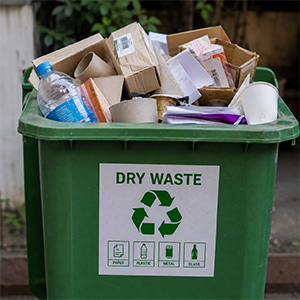
Dry Waste

Dry waste consists of materials that can be recycled. The materials include Plastic, paper, metal, wood, glass, etc. Wastes containing these materials are transferred to Material Recovery Facilities (MRFs) for standardised recycling.
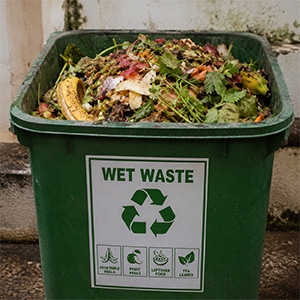
Wet Waste

These are biodegradable wastes. Types include: Kitchen waste, vegetables, fruit peels, meat, flowers and so on. These Wastes that should be processed through composting and bio-methanation. As per the regulation, they must be processed on-site by the BWGs.
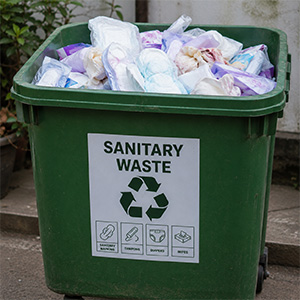
Sanitary Waste

Sanitary waste falls under the category of waste that must be securely wrapped, covered and disposed of securely. Under this category, wastes include: diapers, sanitary towels, tampons and so on.
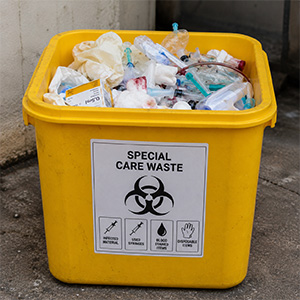
Special Care Waste

These are hazardous wastes that require special attention during their disposal. These include paints, bulbs, mercury thermometers, and expired medicines. The wastes under this category are to be processed by registered agencies and collection centres.

Why EPR for Solid Waste Management is needed?

Mandatory Regulatory Compliance

Required under Solid Waste Management Rules.

Environmental Protection Assurance

Reduces pollution through scientific waste disposal.

Recycling and Recovery Enablement

Promotes segregation, recycling, and material recovery.

Penalty Risk Prevention

Avoids fines, notices, and regulatory enforcement actions.

Municipal Compliance Support

Aligns business operations with local body requirements.

Corporate Sustainability Reporting

Strengthens ESG and environmental disclosures.

Waste Traceability System

Enables transparent monitoring of waste handling processes.

Business Continuity Protection

Prevents operational disruption due to non-compliance.

What documents needed for EPR for Solid Waste Management?

The following documents are generally required:

Frequently Asked Questions

Who must comply with EPR for solid waste?

Producers, importers, and brand owners.

Applicable to notified categories under rules.

CPCB and State Pollution Control Boards.

Yes, as per prescribed guidelines.

Yes, compliance reports must be submitted.

ARKCA Logo

Fill this form up to connect with ARKCA