EPR for Non-Ferrous Metal

Understanding EPR

What It Is & Why It Matters for Non-Ferrous Metal

Extended Producer Responsibility Explained for Non- Ferrous Metal and Legal Compliance in India

What is EPR ?

Extended Producer Responsibility (EPR) is a global waste management and environmental strategy. EPR makes sure that all stakeholders in a production cycle – producers, Importers, and Brand Owners, recyclers and Bulk Consumers- are responsible for their waste management and recycling activities.


The Central Pollution Control Board (CPCB) is responsible for enforcing EPR compliance in India under the Hazardous and Other Wastes (Management and Transboundary Movement) Rules, 2016. The amended regulation establishes Extended Producer Responsibility (EPR) requirements for non-ferrous metal scrap, which will take effect from 1 April 2026.

What is EPR for Non-Ferrous Metal ?

The Hazardous and Other Wastes (Management and Transboundary Movement) Rules explain that PIBOs are responsible for:


  • Mandatory to register on the CPCB Portal
  • Purchasing EPR Certificates
  • Filing reports twice a year
  • Proper disposal of Residue
  • Refurbishing used product


Non-compliance with these regulations can result in penalties and brand reputation damage.

Types of Non-Ferrous Metal Covered Under CPCB EPR Rules

Aluminium

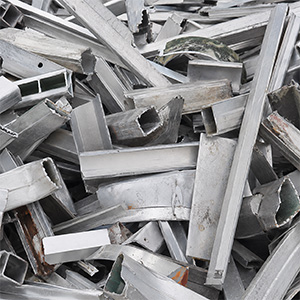
Under this category, alloys and products containing Aluminum are taken into consideration. It includes beverage cans, foils, panels, windows, and structural profiles.
Copper

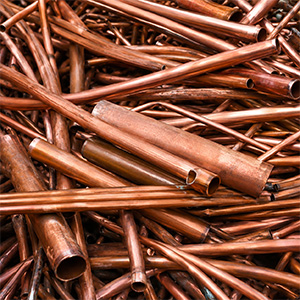
Products and materials that contain copper, especially items like electrical cables, wires, motor windings, and transformers include in CPCB EPR rules.
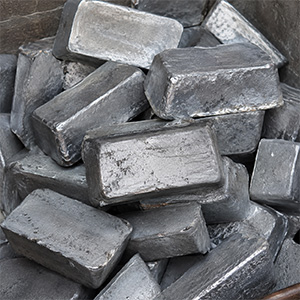
Zinc

Items like electrical cables, wires, motor windings, and transformers are mentioned in the CPCB regulation. They must be audited in real time.

Why EPR for Non-Ferrous Metal is needed?

Mandatory Environmental Compliance

Required under applicable waste management regulations.

Recycling Target Fulfillment

Ensures achievement of prescribed material recovery targets.

Pollution Control Assurance

Prevents hazardous disposal of metal scrap waste.

Import Authorization Support

Facilitates regulatory compliance for metal importers.

Penalty Risk Prevention

Avoids fines, suspension, or compliance notices.

Sustainability Reporting Enablement

Strengthens ESG and environmental disclosures.

Circular Economy Promotion

Encourages reuse and responsible resource recovery.

Business Continuity Protection

Maintains uninterrupted manufacturing operations.

What documents needed for EPR for Non-Ferrous Metal?

The following documents are generally required:

Frequently Asked Questions

Who must register under EPR for metals?

Producers, importers, and brand owners.

Aluminum, copper, zinc, lead, and alloys.

Yes, authorized recycler tie-up required.

Yes, periodic compliance reports are mandatory.

CPCB and State Pollution Control Boards.

ARKCA Logo

Fill this form up to connect with ARKCA