EPR for ELV (End of Life Vehicle)

We assist PIBOs with seamless ELV EPR registration on the CPCB portal, handling complete documentation preparation including eligibility checks, process flow diagrams, tie-ups with registered dismantlers, and application filing.

Understanding EPR

What It Is & Why It Matters for ELV

Extended Producer Responsibility Explained for ELV and Legal Compliance in India

What is EPR ?

Extended Producer Responsibility (EPR) is a policy-based environmental regulation approach. It holds producers, Importers, and Brand Owners (PIBOs) accountable for their end-of-life products and the waste they generate.


CPCB is the responsible body where all the EPR registrations of the businesses must take place. As per their regulations, all the PIBOs are expected to register, meet Sustainability targets, and provide traceable annual audits.

ELV
EndLV

What is EPR for ELV?

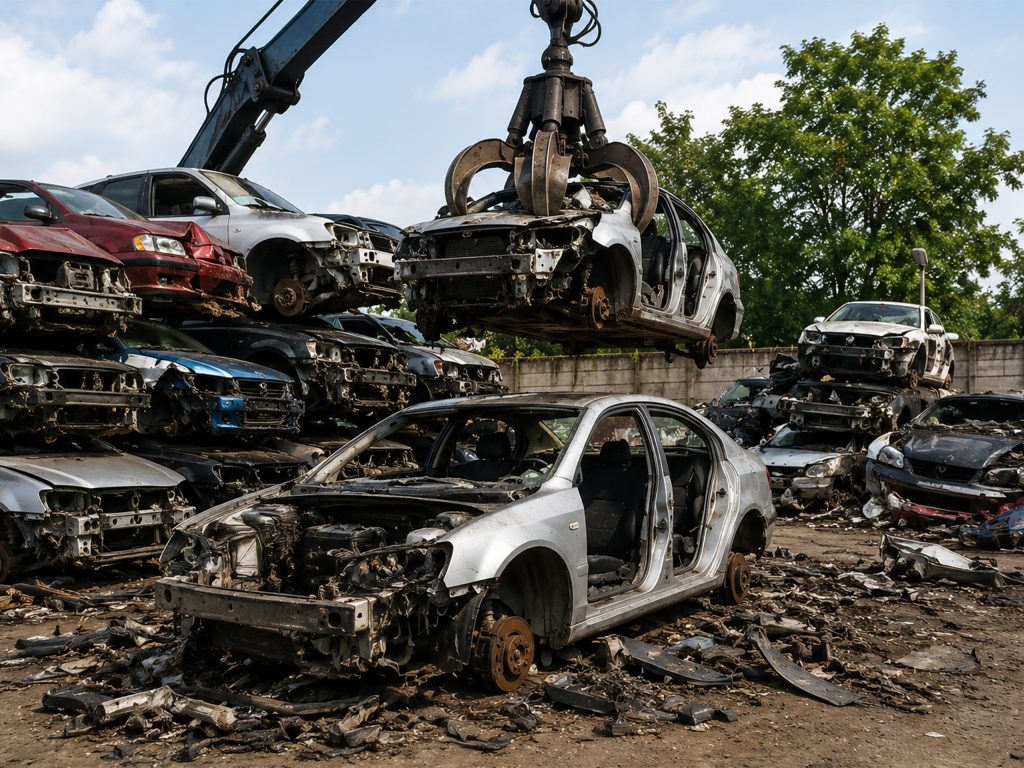
If your vehicle has reached the end of its lifecycle, they are no longer legally permitted to be used on public roads. They are called End-of-Life Vehicles or ELVs.


EPR for End-of-Life vehicles (ELV) applies to the producer, registered owner of vehicles, bulk consumers, RVSF, and entities involved in the collection and testing of vehicles. According to the Environment Protection (End-of-Life Vehicles) Rules, 2025, the businesses are expected to:


  • Registering of ELV
  • Partnerships and Tie-ups with RVSF
  • Maintain compliance records and annual returns file
  • Meet annual scraping and collection of vehicle targets


Non-registration and failure to meet the target lead to legal scrutiny and financial compensation.

Types of ELV Covered Under CPCB EPR Rules

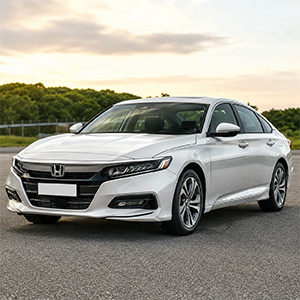
PASSENGER VEHICLE

Passenger Vehicles

Passenger Vehicles at the end-of-life include Private and commercial vehicles. These include cars, Multi-Utility vehicles (MUVs) and Sports Utility Vehicles (SUVs).
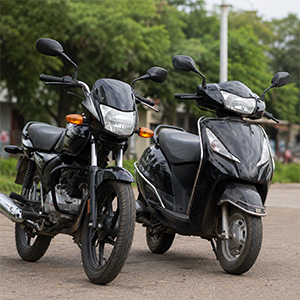
TWOORTHREEEWHEELER

Two & Three Wheelers

As per CPCB EPR rules, two-wheelers and three-wheelers are included in this category. It covers Motorbikes, scooters, mopeds and auto-rickshaws.
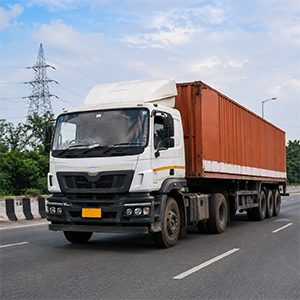
commercial heavy

Commercial Heavy Vehicles

Commercial Heavy Vehicles are Bulk vehicles solely used for commercial purposes. Vehicles like trucks, buses, trailers and light commercial vehicles (LCVs) are covered in this category.
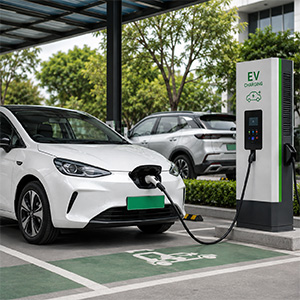
ELECTRICVEHICLE

Electric Vehicles (EVs)

EVs are battery-powered vehicles. The regulation includes all modern EVs, including e-rickshaws and e-carts.

Why EPR for ELV (End of Life Vehicle) is needed?

Mandatory Environmental Compliance

Required under ELV and waste management regulations.

Legal Manufacturing Continuity

Essential for lawful vehicle manufacturing or importing.

Pollution Control Assurance

Ensures safe disposal of hazardous automotive waste.

Recycling Responsibility Fulfillment

Promotes sustainable recycling and material recovery.

Regulatory Penalty Avoidance

Prevents fines, suspension, or compliance actions.

Brand Sustainability Image

Enhances environmental responsibility and public trust.

Government Reporting Enablement

Supports accurate compliance reporting to authorities.

Circular Economy Support

Encourages reuse of materials and resource efficiency.

What documents needed for EPR for ELV (End of Life Vehicle)?

The following documents are generally required:

Frequently Asked Questions

Is EPR mandatory for vehicle manufacturers?

Yes, applicable to manufacturers and importers.

MoEF&CC and CPCB oversee ELV compliance.

End-of-life passenger and commercial vehicles.

Yes, authorized recycler tie-up is required.

Yes, periodic compliance reporting is mandatory.

ARKCA Logo

Fill this form up to connect with ARKCA