EPR for Construction and Demolition

Understanding EPR

What It Is & Why It Matters for Construction and Demolition

Extended Producer Responsibility Explained for Construction and Demolition and Legal Compliance in India

What is EPR ?

Extended Producer Responsibility (EPR) is a strategy to make producers and manufacturers responsible for the waste they generate. In recent years, EPRs are taking into consideration all aspects of the supply chain, including after customer use as well.


EPR requires authorities to take action for the responsible management, collection, recycling, and disposal of the waste generated through their activities. This includes proper collaboration with the collection centres, recyclers and the local government bodies as well.


EPR aims to reduce environmental impact, promote responsible waste management, and support the transition towards a circular economy.

constructionanddemoilitions
constructionanddemoilition

What is EPR for Construction and Demolition ?

EPR for Construction and Demolition (C&D) Waste is an environmental compliance framework under CPCB and MoEF&CC guidelines requiring producers, developers, and construction companies to manage, recycle, and dispose of construction waste responsibly. It ensures sustainable handling of debris, concrete, steel, and other materials generated from infrastructure activities.


PIBOs must make sure that:


  • They are registered in the Centralised Portal of CPCB
  • All waste management and recycling targets are completed
  • Producers purchase the certificates only after the completion of the targets
  • All the C&D waste is utilised in all the road and construction projects
  • Real-time tracking and reporting of the audits in the


Non-compliance with these regulations can result in penalties and hinder operations. 

Types of Non-Ferrous Metal Covered Under CPCB EPR Rules

concrett

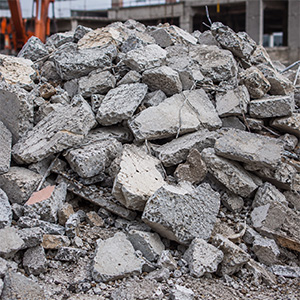
Concrete

All wastes containing concrete fall in this category. Includes pillars, foundations, roof slabs, and broken cement blocks.
soils

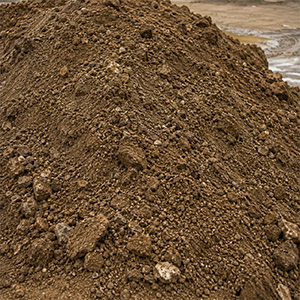
Soil

Materials like Gravel, sand and soil fall under this category of wastes, which are largely displaced during excavation and road projects.
wood

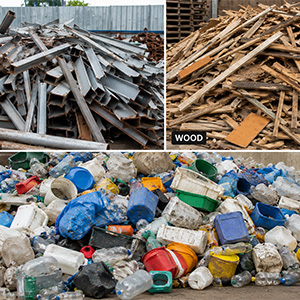
Steel, wood & plastics

Steel wastes are metal objects which are displaced during demolition and construction and include iron rebar, structural steel, piping, and aluminium scrap.On the other hand, wood and plastics contain framing lumber, packaging, plastic plumbing pipes, and flooring and so on.
bricks&mortarrr

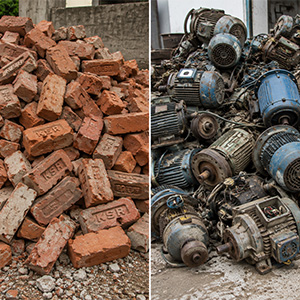
Bricks & mortar

Whole or broken clay bricks, hollow blocks, and wall plaster fall under the category of Bricks & mortar. They are generated both during demolition and construction of buildings.

Why EPR for Construction and Demolition is needed?

Mandatory Environmental Compliance

Required under C&D Waste Management Rules.

Sustainable Waste Handling

Promotes recycling and scientific debris disposal practices.

Regulatory Risk Prevention

Avoids penalties, project stoppage, or legal notices.

Project Approval Support

Necessary for environmental and municipal clearances.

Recycling Target Fulfillment

Ensures adherence to prescribed waste recovery targets.

Urban Pollution Reduction

Prevents illegal dumping and environmental hazards.

Green Building Advantage

Supports sustainable and eco-friendly project certification.

Corporate Sustainability Compliance

Strengthens ESG and environmental reporting standards.

What documents needed for EPR for Construction and Demolition?

The following documents are generally required:

Frequently Asked Questions

Who is responsible under C&D EPR?

Builders, developers, and infrastructure project owners.

Yes, for projects generating significant debris.

CPCB and respective State Pollution Control Boards.

Yes, authorized waste recycler tie-up required.

Yes, compliance reporting is mandatory.

ARKCA Logo

Fill this form up to connect with ARKCA