Get seamless EPR registration, target fulfilment, credit procurement, and return filing under E-Waste Management Rules, 2022. ARKCA ensures complete CPCB compliance for producers and brand owners across India.
Extended Producer Responsibility (EPR) is a regulatory framework under Indian environmental law that makes producers responsible for the end-of-life management of products they introduce into the market. Instead of shifting waste management costs to municipalities or consumers, EPR legally obligates manufacturers, importers, and brand owners to ensure proper collection, recycling, refurbishment, or disposal of their products after use.
Under this system, producers must:
Register with the Central Pollution Control Board (CPCB)
Meet annual recycling or recovery targets
Maintain transaction records
File periodic compliance returns
The objective is to promote a circular economy by ensuring that valuable materials are recovered and environmental pollution is minimized.
EPR for E-Waste specifically applies to producers of electrical and electronic equipment (EEE) under the E-Waste (Management) Rules, 2022. It requires every manufacturer, importer, or brand owner placing electronic products in the Indian market to ensure that equivalent quantities of end-of-life e-waste are collected and recycled through CPCB-registered recyclers.
Producers must:
Obtain EPR registration through the CPCB online portal
Achieve annual recycling targets based on quantity placed in the market
Procure EPR certificates generated by authorized recyclers
File returns and maintain transparent compliance records
The framework reduces hazardous electronic waste disposal, prevents informal sector pollution, and strengthens regulated recycling systems across India.
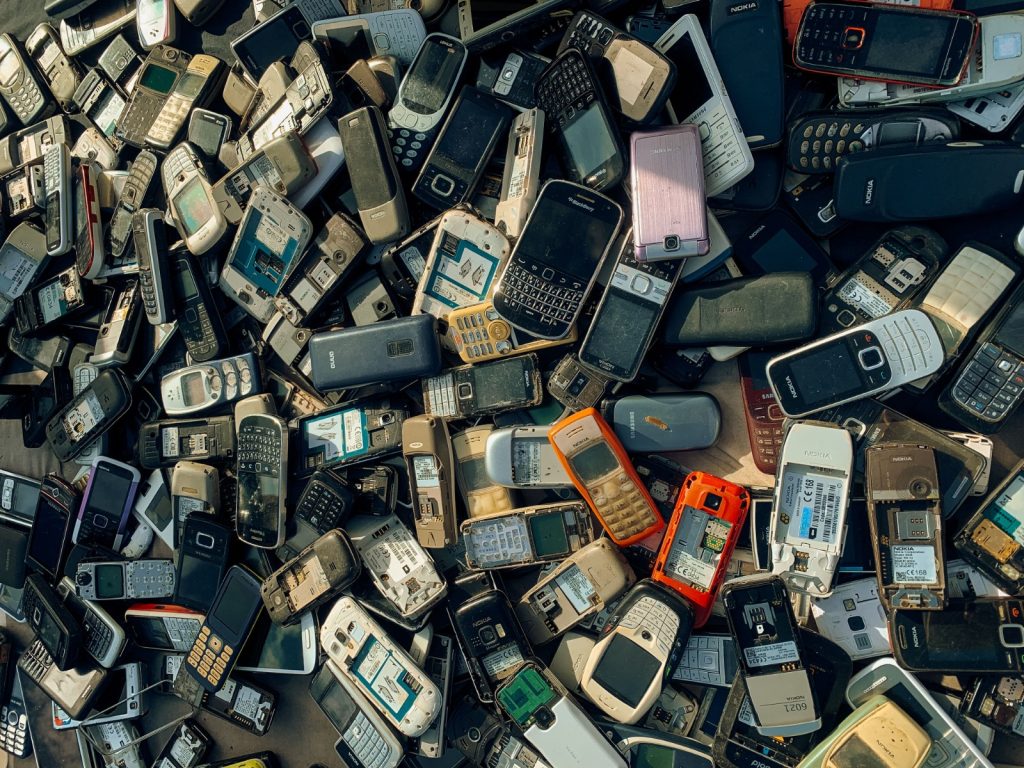
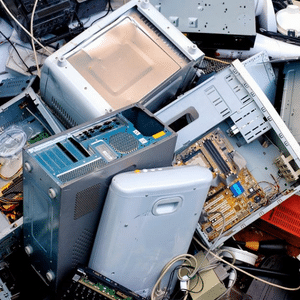
This category includes computers, laptops, servers, printers, mobile phones, routers, and other data processing or communication devices. Producers placing these products in the market must meet EPR recycling targets based on annual sales and declared quantities.
Televisions, refrigerators, washing machines, air conditioners, microwave ovens, and audio-video systems fall under this category. Due to high consumption and replacement cycles, these products significantly contribute to India’s e-waste volume and require mandatory EPR compliance.
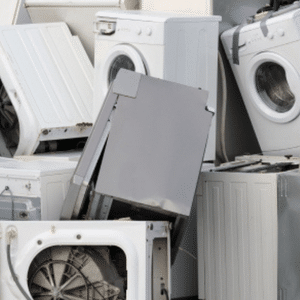
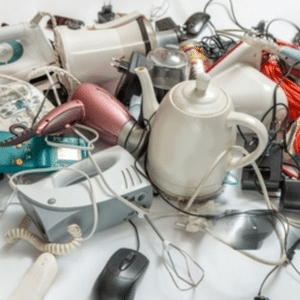
Includes electric heaters, fans, mixers, grinders, power tools, and similar plug-in devices used in homes or commercial spaces. Even smaller appliances listed in Schedule I require producers to obtain CPCB registration and fulfil recycling obligations.
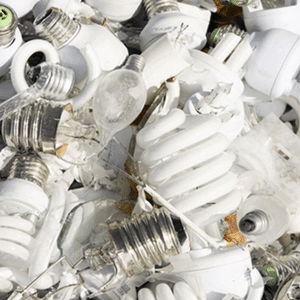
Fluorescent lamps, compact fluorescent lamps (CFLs), and other mercury-containing lighting products are covered under EPR. These items require environmentally sound handling due to hazardous substances, making authorized collection and recycling essential.
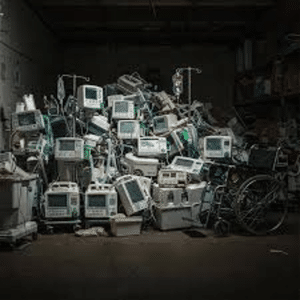
Electrical and electronic medical devices, excluding implanted or infected products, are included under Schedule I. This category covers diagnostic equipment, laboratory devices, and healthcare electronics, requiring producers to ensure safe recycling and regulatory compliance.
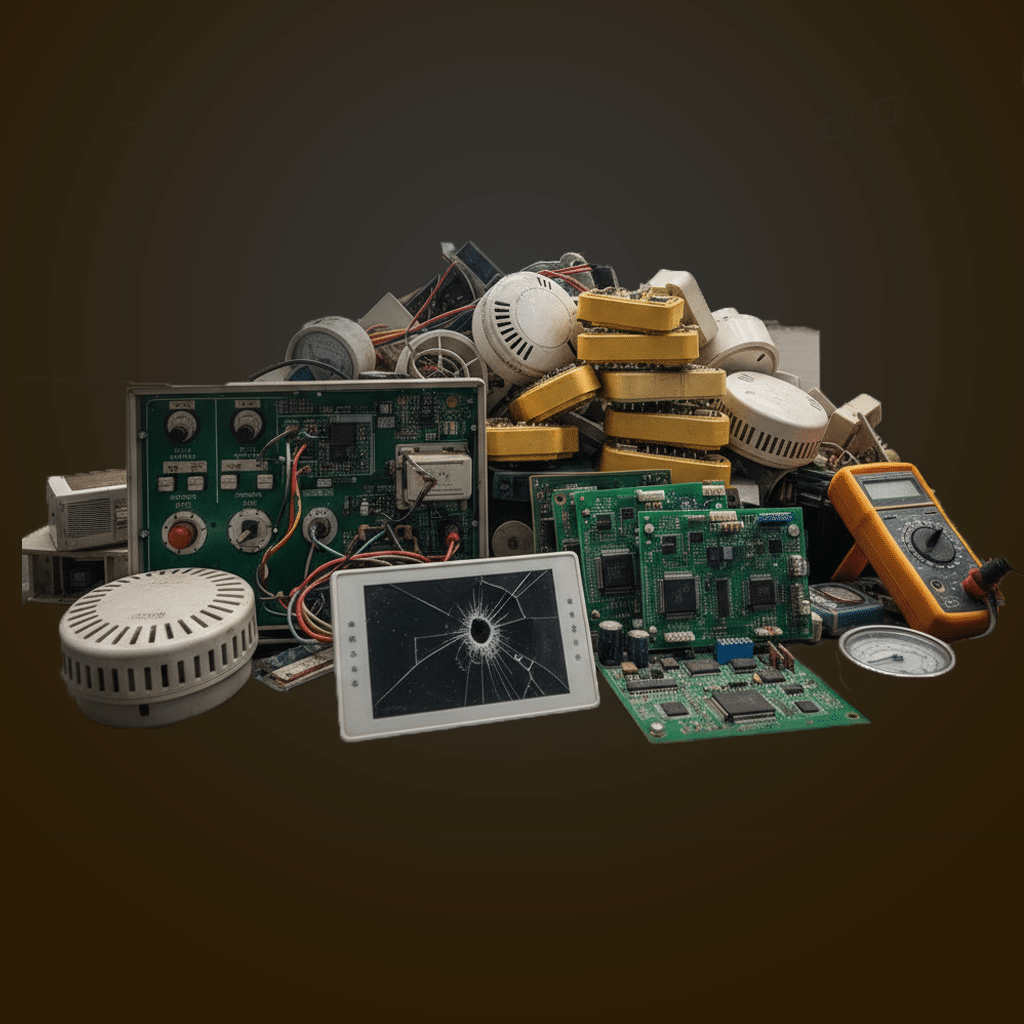
This includes thermostats, industrial monitoring equipment, measuring instruments, smoke detectors, and similar electronic control systems. Producers must account for these products under EPR targets and ensure proper end-of-life channelization through registered recyclers.
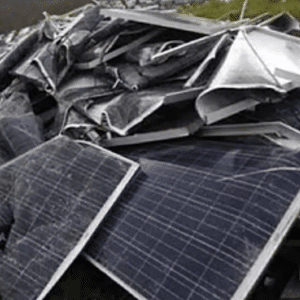
Solar panels, photovoltaic modules, and associated components are specifically included under the E-Waste Rules, 2022. Producers must register with CPCB and ensure collection and recycling of end-of-life solar equipment in accordance with prescribed targets.
Under the Battery Waste Management Rules, 2022, every Producer, Importer, and Brand Owner (PIBO) placing batteries in the Indian market must obtain mandatory EPR registration through the CPCB online portal before commencing sales.
Registration requires:
Company incorporation and GST details
IEC certificate (for importers)
Battery category declaration (Portable, Automotive, EV, Industrial)
Quantity of batteries placed in the market (in tonnes)
Authorized signatory details
Without CPCB EPR registration, selling batteries in India is legally prohibited. Registration forms the foundation of regulatory compliance.
EPR compliance is performance-driven. Registration alone is not sufficient.
Producers must:
Meet annual collection and recycling targets based on the quantity introduced into the market
Ensure recycling through CPCB-registered recyclers
Maintain digital records of transactions
File annual returns on the CPCB portal
Recycling targets increase progressively over time to promote higher recovery rates of materials like lithium, lead, cobalt, and nickel.
Failure to meet targets may result in environmental compensation imposed by CPCB.
The Battery Waste Management Rules, 2022 introduced a structured EPR credit mechanism.
Here’s how it works:
Registered recyclers generate EPR certificates after processing eligible battery waste
Certificates are uploaded to the CPCB portal
Producers purchase these EPR credits to fulfil their annual recycling obligations
Credits are digitally traceable and time-bound. This system prevents double counting and ensures transparent compliance. Producers must carefully plan credit procurement to avoid shortfalls at the end of the compliance year.
Non-compliance under Battery Waste Management Rules may lead to:
Environmental compensation (monetary penalties calculated as per CPCB guidelines)
Suspension or cancellation of EPR registration
Prosecution under the Environment (Protection) Act, 1986
Restrictions on business operations
CPCB actively monitors portal data, recycling declarations, and credit utilization. Misreporting or false documentation can attract strict regulatory action.
If a company discontinues battery sales or exits the Indian market, it must formally apply for surrender of EPR registration through the CPCB portal.
Before surrender is approved:
All pending recycling targets must be fulfilled
Annual returns must be filed
Outstanding environmental compensation must be cleared
Only after verification of compliance will CPCB process the surrender request.
