Ensure full compliance with Battery Waste Management Rules, 2022 through seamless EPR registration, CPCB authorization, target fulfillment, and return filing. Expert support for producers, importers, and brand owners across India.
Extended Producer Responsibility (EPR) is an environmental policy framework that places the responsibility for the end-of-life management of products on the producers themselves — including manufacturers, importers, and brand owners. Under EPR, these entities are legally obliged to ensure that products they introduce into the market are collected, recycled, refurbished, or disposed of in an environmentally sound manner, rather than left to pollute landfills or water bodies. Producers must design and implement systems that take back waste generated from their products and report compliance to regulatory authorities. This principle helps shift the burden of waste management from governments and taxpayers to the very businesses that profit from selling the products.
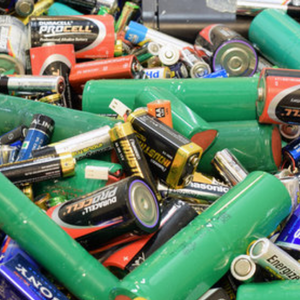
Small sealed batteries used in electronics and gadgets like phones, laptops, remotes, and toys — requiring separate collection and recycling due to diverse chemistries and hazardous content.
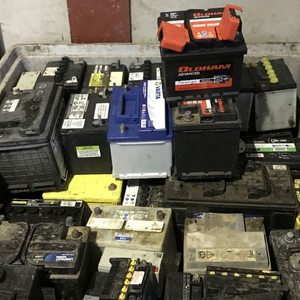
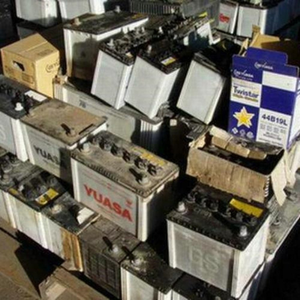
Batteries used for starting, lighting, and ignition power in vehicles such as cars, bikes, and trucks, often containing lead-acid chemistry that demands safe recycling practices.
High-capacity traction batteries designed to power electric and hybrid vehicles, typically lithium-based, requiring specialized end-of-life collection and recovery solutions under EPR.
Large batteries used in industrial equipment, backup systems, and energy storage applications; these are managed under EPR to ensure proper recycling and material recovery.
Under the Battery Waste Management Rules, 2022, every Producer, Importer, and Brand Owner (PIBO) placing batteries in the Indian market must obtain EPR registration through the CPCB online portal.
Registration requires:
Company details and authorized signatory information
Battery category declaration (Portable, Automotive, EV, Industrial)
Quantity placed in the market (in tonnes)
Supporting documents such as GST, IEC (for importers), and incorporation certificate
Without valid registration, the sale or distribution of batteries in India is prohibited. CPCB registration forms the legal foundation of battery waste compliance.
EPR compliance is not just registration — it is performance-based responsibility.
Producers must:
Meet annual collection and recycling targets based on the quantity of batteries introduced into the market
Ensure environmentally sound recycling through registered recyclers
File periodic returns on the CPCB EPR portal
Maintain transaction records and recycling certificates
Targets increase progressively over the years to promote higher material recovery and circular economy adoption.
Failure to meet targets results in environmental compensation charges imposed by CPCB.
The Battery Waste Management Rules, 2022 introduced an EPR credit trading system.
Here’s how it works:
Registered recyclers generate EPR certificates (credits) after recycling eligible battery waste
These credits are uploaded to the CPCB portal
Producers can purchase credits to meet their annual recycling targets
The system ensures traceability, prevents double counting, and creates a transparent digital compliance ecosystem. Credit validity and usage are governed by CPCB guidelines.
This mechanism enables flexibility while maintaining accountability.
Non-compliance with EPR obligations can trigger:
Environmental compensation (monetary penalties)
Cancellation or suspension of registration
Prosecution under the Environment (Protection) Act, 1986
Business operation restrictions
CPCB monitors compliance through portal data, audits, and reconciliation of recycling records. Misreporting or fraudulent documentation may attract serious legal consequences.
If a producer discontinues business operations or stops placing batteries in the Indian market, they must formally apply for surrender of EPR registration through the CPCB portal.
Before surrender approval:
All pending EPR liabilities must be fulfilled
Annual returns must be filed
Outstanding environmental compensation must be cleared
Only after compliance verification will CPCB process the surrender request.