
EPR for Plastic Waste in India

EPR for Plastic Waste in India by ARKCA. CPCB registration, EPR target fulfilment, plastic credit management, and compliance under Plastic Waste Management Rules.

    Understanding EPR

    What It Is & Why It Matters for Plastic Waste

    Extended Producer Responsibility Explained for Plastic Waste Management and Legal Compliance in India

    What is EPR ?

    Extended Producer Responsibility (EPR) is a regulatory mechanism that makes producers responsible for managing waste generated from their products after end-of-life. Instead of shifting disposal costs to municipalities, producers must ensure collection, recycling, reuse, or environmentally sound disposal.

    Under India’s environmental framework, producers, importers, and brand owners (PIBOs) must register, meet recycling targets, and file compliance returns through CPCB’s centralized portal.

    The objective is simple but powerful: shift waste management responsibility to the source and promote circular economy practices.

    What is EPR for Plastic Waste?

    EPR for Plastic Waste applies to producers, importers, brand owners, and plastic packaging manufacturers who introduce plastic packaging into the Indian market.

    Under the Plastic Waste Management (PWM) Rules, businesses must:

    • Register on the CPCB EPR Plastic Portal

    • Declare the quantity and category of plastic packaging introduced

    • Meet annual recycling and end-of-life disposal targets

    • Purchase plastic EPR certificates from registered recyclers

    • File annual returns and maintain compliance records

    The framework covers different plastic packaging categories and mandates progressive recycling targets to reduce environmental leakage and landfill burden.

    Plastic EPR compliance is mandatory. Non-registration or target failure can attract environmental compensation and regulatory action.

    Types of Plastic Waste Covered Under CPCB EPR Rules

    Category I – Rigid Plastic Packaging

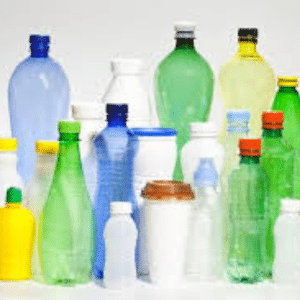
    Rigid plastic packaging includes bottles, containers, jars, trays, caps, and other hard plastic materials used for storage and transportation of goods. These plastics maintain shape and structure. Producers introducing rigid packaging must meet defined recycling targets through CPCB-registered recyclers.

    Category II – Flexible Plastic Packaging

    This category covers carry bags, plastic pouches, sachets, wraps, and films made from single or multiple plastic layers. Flexible plastics are widely used in FMCG packaging and generate high waste volume, making them a key focus area under EPR obligations.

    Category III – Multi-Layered Plastic Packaging

    Multi-layered plastic packaging consists of multiple layers of plastic or plastic combined with materials such as aluminum foil or paper. Due to recycling challenges, producers must ensure end-of-life disposal or co-processing as per PWM Rules.

    Category IV – Plastic Sheets & Compostable Plastics

    This includes plastic sheets used for packaging and carry bags made from certified compostable plastics. Compostable plastic manufacturers must obtain certification from CPCB before introducing products into the market and comply with separate reporting requirements.

    ARKCA’s End-to-End Support for EPR for Plastic Waste

    EPR Registration for Plastic Waste

    Under the Plastic Waste Management Rules, 2016 (amended 2022), every Producer, Importer, Brand Owner (PIBO), and Plastic Packaging Manufacturer must obtain mandatory EPR registration through the CPCB centralized EPR Plastic Portal.

    Registration requires:

    • Company incorporation and GST details

    • PAN and authorized signatory information

    • Details of plastic packaging introduced into the market

    • Category-wise declaration (Category I, II, III, IV)

    • State-wise operational data

    Without valid CPCB EPR registration, entities cannot legally introduce plastic packaging into the Indian market.

    Registration is the legal foundation of plastic waste compliance.

    EPR Compliance for Plastic Waste

    Plastic EPR is target-driven. Obligated entities must meet annual recycling obligations based on the quantity of plastic packaging placed in the market during the previous financial year.

    Compliance includes:

    • Meeting minimum recycling targets

    • Ensuring reuse obligations (where applicable)

    • Fulfilling end-of-life disposal requirements for non-recyclable plastics

    • Filing annual returns on the CPCB portal

    • Maintaining transaction and audit records

    Targets are progressive and vary depending on packaging category.

    Failure to meet obligations may result in environmental compensation as prescribed by CPCB guidelines.

    EPR Credit Transfer for Plastic Waste

    The Plastic EPR framework operates through a digital credit mechanism.

    Here’s how it works:

    • Registered recyclers process eligible plastic waste

    • EPR certificates are generated and uploaded to the CPCB portal

    • Producers and brand owners purchase these certificates to meet their annual recycling targets

    Credits are category-specific and traceable through the portal. They cannot be double-counted or reused beyond validity.

    Strategic planning of credit procurement is essential to avoid compliance shortfalls and last-minute liabilities.

    EPR Legal Issues for Plastic Waste

    Non-compliance with Plastic EPR may lead to:

    • Environmental compensation charges

    • Suspension or cancellation of EPR registration

    • Regulatory scrutiny and enforcement action

    • Operational and reputational risks

    CPCB monitors category declarations, recycling data, and credit utilization digitally. Misreporting or incorrect classification may trigger penalties.

    EPR Surrender for Plastic Waste

    If an entity ceases operations or changes business structure, it must apply for amendment or surrender of registration through the CPCB portal.

    Before approval:

    • All pending targets must be fulfilled

    • Returns must be filed

    • Environmental compensation, if any, must be cleared

    Compliance history is verified before closure is granted.

    Clients Served

    1000 +

    Number of Offices

    0

    Professionals

    15 +

    Businesses that believe in us

    ARKCA Corporate

    Fill this form up to connect with ARKCA