India is taking a significant “big leap” in recycling plastic waste through bold policy shifts and enforcement. This move aims to tackle the mounting plastic pollution crisis head-on & the significant role of EPR Plastic Registration. Let’s discuss.
Why the “Big Leap”?
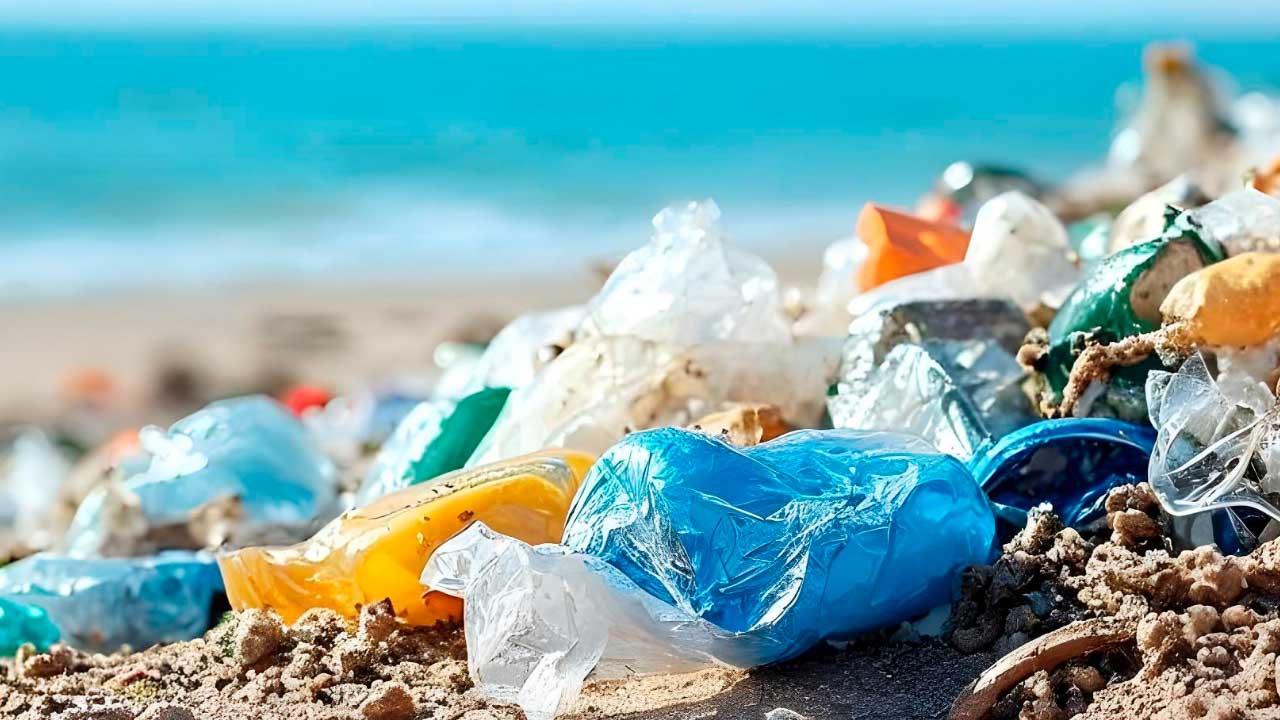
India generates over 26,000 tonnes of plastic waste daily, much of it unmanaged. The recent 2025 amendments to the Plastic Waste Management Rules mark a turning point, enforcing recycled content targets in packaging. Producers, Importers, and Brand Owners (PIBOs) must now integrate a minimum of recycled plastic yearly, pushing circularity.
Recycled Content Targets
- 2025-26: Category I packaging hits 30% recycled plastic; Category II at 10%.
- 2026-27: Rises to 40% for Category I, steady for others.
- 2028-29+: Peaks at 60% for Category I, 20% for Category II, and III.
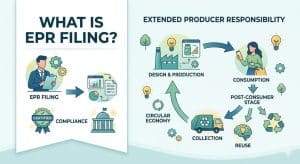
These EPR Plastic Registration mandates ensure PIBOs prioritize recycling over virgin plastic.
CPCB’s Pivotal Role
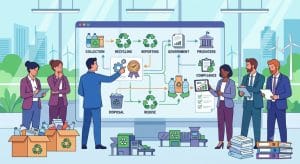
The Central Pollution Control Board (CPCB) oversees it all via a centralized online portal. PIBOs need EPR Plastic Registration here for tracking compliance. CPCB grants exemptions only on proof, issues credits for trading, and monitors annual reports to enforce accountability.
Importers and Brand Owners Included
Importers now share equal EPR Plastic Registration duties as producers. Brand owners must hit reuse targets too, like 10-25% for rigid packaging. This broadens the net, making EPR Plastic Registration essential across the supply chain.
Reuse and Tracking Boost
Rigid packaging faces reuse quotas, starting at 10% in 2025-26. QR-based digital tracking adds transparency, curbing evasion. Together, these steps amplify recycling rates nationwide.
Challenges Ahead
While ambitious, scaling recycling infrastructure remains key. EPR Plastic Registration streamlines compliance, but PIBOs must act fast to avoid penalties.
India’s plastic recycling “big leap” signals global leadership in sustainability. With CPCB steering EPR Plastic Registration, expect cleaner cities and a greener economy soon.
Download the latest EPR for Plastic Management Rules PDF from CPCB