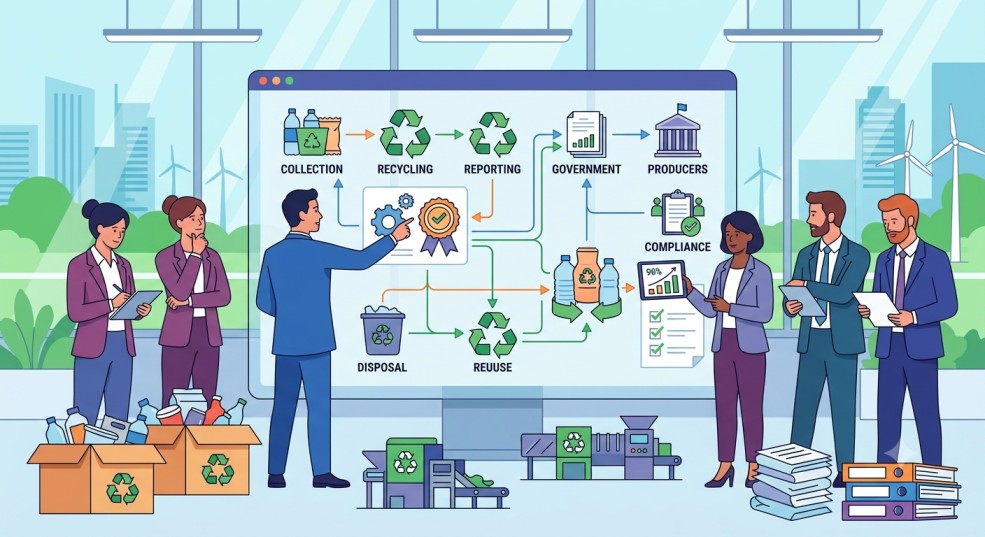
Plastic products are part of the everyday lives of people, and the disposal of this humongous waste remains a challenge. As the consumption of plastic-packaged bottles, containers, and wrappers increased, Extended Producer Responsibility (EPR) was introduced to fix this problem.
The government had mandated EPR plastic compliance filing to dispose of the waste. If the manufacturer, importer, or vehicle owners safely dispose of the same amount of plastic waste, there will be more sustainability. The responsibility may apply to Producers, Importers, and Brand Owners (PIBOs). So, it becomes imperative for every business that is operating to notice compliance filing and follow regulations
Major Reasons Why Compliance Filing is Necessary
The key reasons why compliance filing is very important include:
- The policymakers had made it the responsibility of the businesses to ensure that the waste is managed effectively. This is the major reason for making Extended Producer Responsibility (EPR) compliance filing mandatory.
- The Central Pollution Control Board (CPCB) monitors the EPR portal, which tracks whether the filing procedure is going well or not.
- Compliance Filing prevents manufacturers from any sort of legal issues or hefty penalties.
- Maintenance of transparency would make the manufacturer’s business more credible to government authorities. It makes the company’s auditing much easier.The government approvals and permits would be simplified by the regulatory authorities.
- By following proper compliance filing in the EPR portals, the business becomes legally secured. Avoiding penalties is also another advantage of EPR compliance filing.
EPR Trends for Compliance
The EPR compliance filing future trends are essential for sustainability and the management of waste.
- Government Regulation: The regulations being made on EPR would be stricter, and the waste crisis would worsen in the future.
- Digital Technologies: Emerging technologies like IoT and Blockchain will give easy access to digital technologies for EPR.
- Collaborations: The collaborations with the shareholders are quintessential and cannot be ignored. It is mandatory for governments, consumers, NGOs, and producers to work towards the waste management goals.
The adoption of EPR regulations is extremely helpful in compliance filing and corporate responsibility.
Who requires EPR Regulations and Compliance Filing?
EPR compliance is required for the entities covered under the specific rules and regulations for that product. For plastic packaging, which includes Producers, Importers, and brand owners (PIBOs).
That means businesses like automobile manufacturers, importers, business owners, and waste processors may need to file EPR returns or registration documents, depending on the category they fall under. CPCB’s battery portal, for example, is for producers, recyclers, and refurbishers under the Battery Waste Management Rules amended in 2022.
Conclusion
In a nutshell, any entity that places regulated products on the market or manages the regulated waste stream may be required to obey. For plastic, the core group is PIBOs. The EPR compliance filing is compulsory for every manufacturer to gain credibility and tax compliance. For automobile companies, batteries, recyclers, and e-waste, the government rules also cover manufacturers, producers, and waste processors.