
Extended Producer Responsibility (EPR) explains that it is the obligation of manufacturers and producers to manage the waste from their production life cycle.
EPR introduces Producers, Importers, Brand Owners (PIBOs), Recyclers, and Bulk Consumers who will be responsible for managing, collecting, recycling, and disposing of the waste generated through their activities.
EPR aims to reduce environmental impact, promote responsible waste management, and support the transition towards a circular economy.
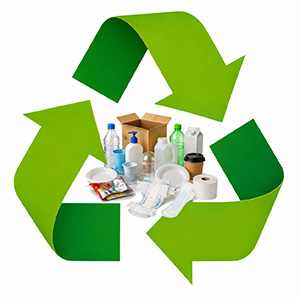
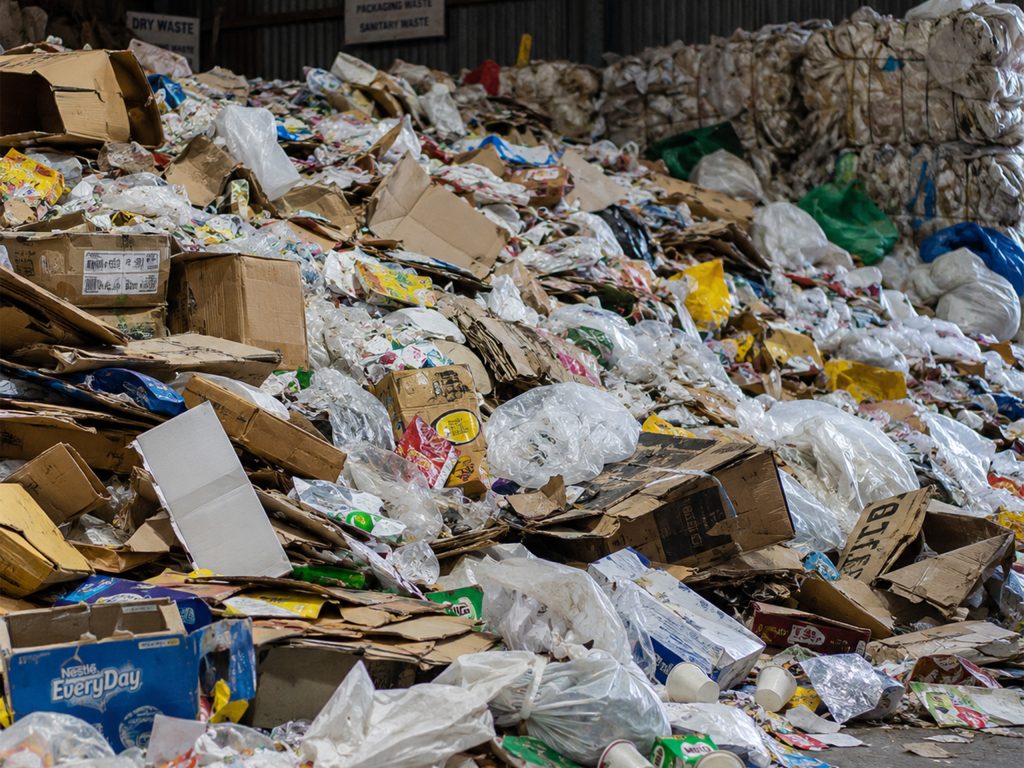
EPR for Packaging and Sanitary Waste refers to Extended Producer Responsibility obligations imposed on producers, importers, and brand owners for environmentally sound management of plastic packaging and sanitary waste. It mandates collection, recycling, and safe disposal in accordance with CPCB and MoEF&CC waste management regulations.
Therefore, PIBOs must:
Non-compliance with these regulations can result in penalties and hinder operations.
Required under Plastic Waste Management Rules and related guidelines.
Ensures achievement of government-prescribed recovery obligations.
Reduces environmental impact of plastic and sanitary waste.
Demonstrates environmental responsibility and ESG commitment.
Avoids fines, suspension, and compliance enforcement actions.
Necessary for lawful sale of packaged goods.
Enables transparent waste collection and recycling tracking.
Maintains uninterrupted manufacturing and distribution operations.
The following documents are generally required:
Producers, importers, and brand owners.
Yes, under Plastic Waste Management Rules.
Yes, annual recovery targets must be met.
Yes, authorized recycler partnership is mandatory.
CPCB and State Pollution Control Boards.