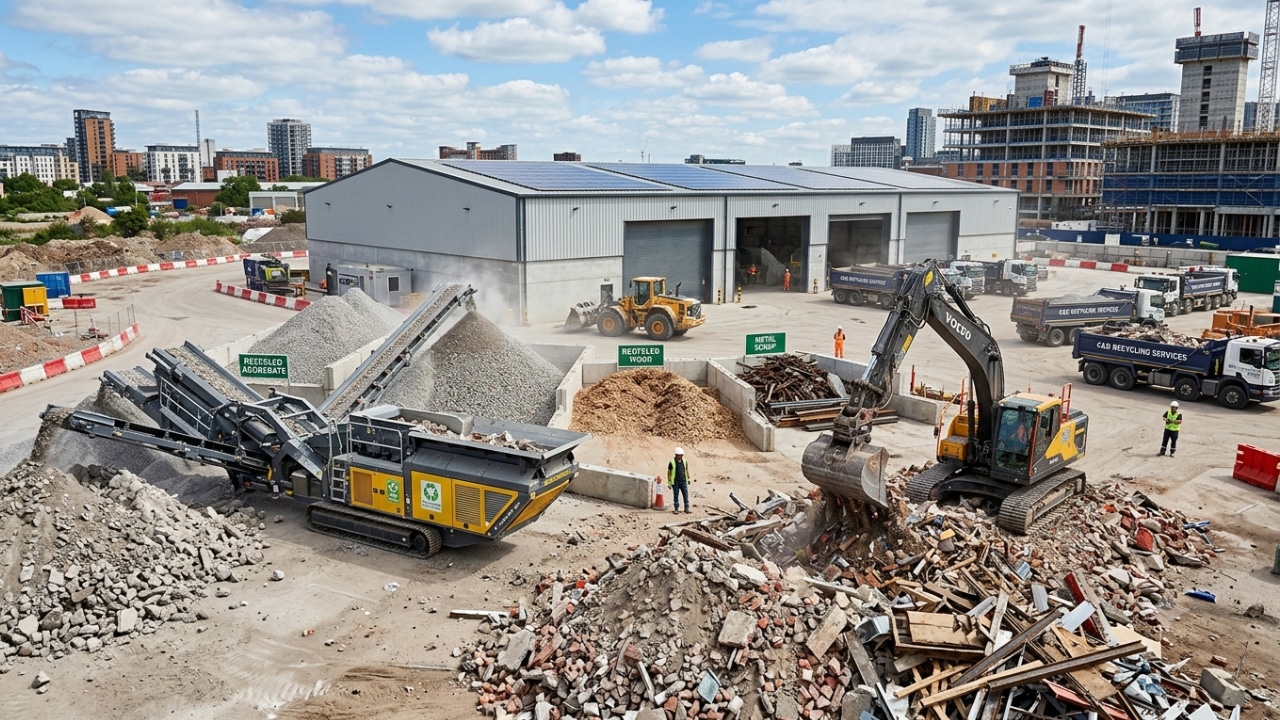
Effective Construction and Demolition (C&D) waste management plays a crucial role in reducing environmental impact and promoting sustainability. Construction, renovation, and demolition activities generate large amounts of waste, including concrete, wood, metals, bricks, glass, and plastics. If not managed properly, this waste can place significant pressure on landfills and contribute to environmental pollution.
By adopting efficient waste management practices such as waste segregation, recycling, material recovery, and responsible disposal, businesses can reduce waste generation and make better use of valuable resources. These practices not only protect the environment but also support the transition towards a circular economy.
Why is Construction and Demolition Waste Management Important?
Proper C&D waste management helps conserve natural resources by recovering and reusing materials that would otherwise be discarded. It reduces the need for extracting new raw materials, lowers landfill dependency, and minimizes environmental degradation.
In addition, recycling construction materials often consumes less energy than producing new materials from scratch. This results in reduced carbon emissions and improved resource efficiency. For construction companies and developers, effective waste management also helps ensure compliance with environmental regulations while enhancing operational sustainability.
By implementing sustainable waste management strategies, organizations can contribute to cleaner cities, healthier ecosystems, and long-term environmental protection.
How to Manage Construction and Demolition Waste Effectively
Successful Construction and Demolition Waste Management requires a structured approach that focuses on waste reduction, segregation, recycling, and environmentally responsible disposal.
1. Conduct a Pre-Demolition Assessment
Before beginning demolition activities, assess the site to identify reusable materials, recyclable resources, and hazardous substances. This helps create an efficient waste management plan and maximizes material recovery.
2. Remove Hazardous Materials Safely
Construction and demolition sites may contain hazardous materials such as asbestos, lead-based paint, chemicals, or contaminated substances. These materials should be identified and removed safely in accordance with applicable regulations.
3. Segregate Waste at the Source
Separating materials such as concrete, metal, wood, glass, and plastic at the source improves recycling efficiency and reduces the amount of waste sent to landfills.
4. Recycle and Recover Materials
Many construction materials can be recycled and reused in future projects. Recycling helps conserve resources, reduce energy consumption, and support sustainable construction practices.
5. Dispose of Non-Recyclable Waste Responsibly
Materials that cannot be recycled should be treated and disposed of through authorized waste management facilities to ensure environmental safety and regulatory compliance.
6. Maintain Documentation and Compliance Records
Proper documentation of waste collection, transportation, recycling, and disposal activities helps organizations demonstrate compliance with environmental laws and sustainability standards.
7. Partner with Authorized Waste Management Agencies
Working with licensed waste management and recycling companies can improve material recovery rates, ensure regulatory compliance, and enhance overall sustainability efforts.
To Sum Up
Construction and Demolition Waste Management is essential for building a sustainable future. By adopting effective waste segregation, recycling, recovery, and disposal practices, businesses can reduce environmental impact while improving resource efficiency.
Partnering with authorized waste management service providers further strengthens sustainability efforts by ensuring that waste is handled responsibly and in compliance with environmental regulations. A well-planned waste management strategy not only protects the environment but also supports long-term economic and operational benefits.