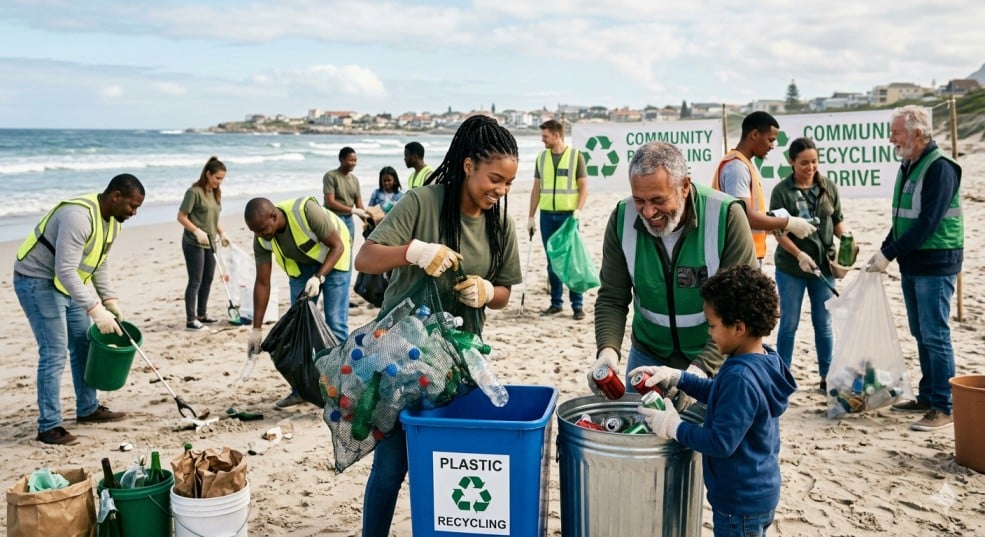
Recycling is no longer just a policy matter or the responsibility of municipal authorities. It has become a daily practice that every individual should embrace. As waste generation continues to rise across homes, offices, markets, schools, and industries, creating awareness about responsible recycling has become increasingly important. A cleaner and more sustainable future cannot be built by governments alone. It requires collective action from citizens, communities, and businesses.
Why Recycling Matters Today
Recycling plays a vital role in reducing the amount of waste that ends up in landfills. It helps conserve natural resources, decreases pollution, and contributes to a healthier environment. Materials such as paper, plastic, glass, and metal can be recycled and reintroduced into the production cycle instead of being discarded.
Some of the key benefits of recycling include:
- Reducing the volume of waste in our surroundings
- Conserving energy and valuable raw materials
- Minimising air, water, and soil pollution
- Encouraging more sustainable consumption habits
- Protecting natural resources for future generations
Recycling is one of the simplest yet most impactful actions people can take to support environmental conservation.
Recycling Is a Shared Responsibility
There is a common belief that waste management is solely the government’s responsibility. While authorities can introduce policies, create infrastructure, and conduct awareness campaigns, long-term success depends on public participation.
Every household generates waste daily, and businesses, educational institutions, and commercial establishments contribute significantly as well. Without proper waste segregation and responsible disposal practices at the source, recycling systems become less effective.
For a recycling ecosystem to function efficiently, every stakeholder must play an active role.
How Individuals Can Support Recycling
People do not need specialised knowledge or significant lifestyle changes to contribute to recycling efforts. Small, consistent actions can collectively make a meaningful difference.
1. Segregate Waste at Home
Separate biodegradable waste from recyclable materials such as paper, plastic, glass, and metal. Hazardous waste should also be disposed of separately. Proper segregation improves the efficiency of recycling processes and reduces contamination.
2. Reuse Before You Dispose
Whenever possible, reuse products such as shopping bags, water bottles, storage containers, and packaging materials. Extending the life of everyday items helps minimise waste generation.
3. Choose Recyclable Products
Opt for products that come in recyclable packaging or use minimal packaging materials. Conscious purchasing decisions can significantly reduce the burden on waste management systems and encourage manufacturers to adopt sustainable practices.
Conclusion
Recycling is no longer an optional environmental practice—it is a shared responsibility that begins with everyday choices. While systems, policies, and infrastructure play an important role, their success ultimately depends on active participation from individuals and communities. When people consciously segregate waste, reuse materials, and choose sustainable products, they directly contribute to reducing environmental harm and conserving natural resources.
Building a truly effective recycling movement requires a shift in mindset—from seeing waste as something to discard, to understanding it as a resource that can be recovered and reused. Every small action, when multiplied across households, institutions, and businesses, creates a significant collective impact. By embracing this responsibility consistently, we move closer to a cleaner, healthier, and more sustainable future for all.