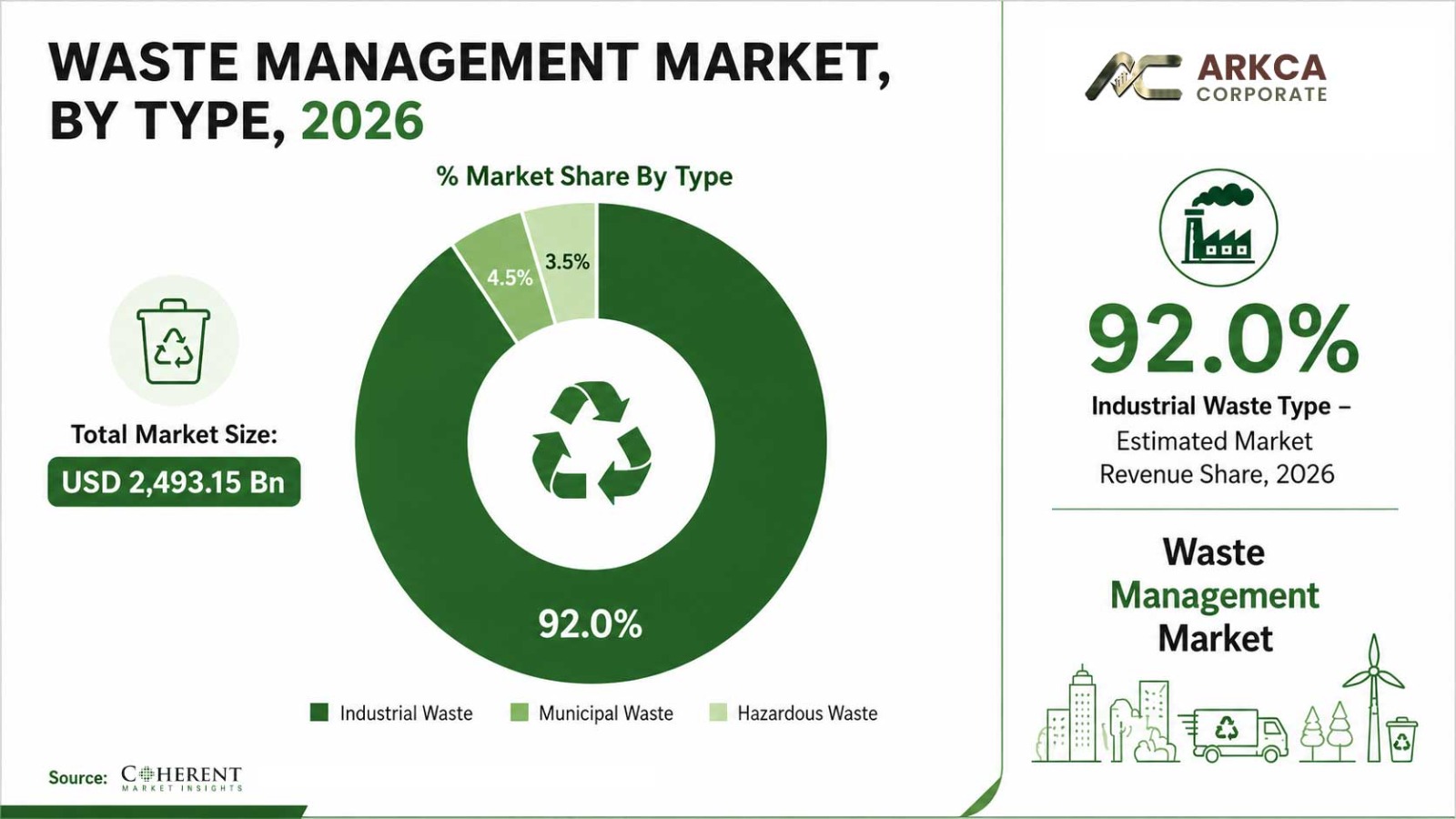
Coherent Market Insights shows that industrial waste accounts for 92% of the waste management market by type.
In such alarming circumstances, waste management cannot remain a paperwork exercise, but demands that businesses play an active role in reducing environmental impact. The proven strategy?
Extended Producer Responsibility (EPR)
EPR explains the regulations that hold manufacturers, Producers, brand owners, and importers responsible for the waste they generate.
Given the complex regulatory ecosystem, businesses must pay attention. Here’s your EPR compliance guide to navigate the changing environment.
Start With a Simple Waste Assessment
Sustainable packaging regulations 2026 classify packaging into different categories, with specific disposal and recycling requirements based on its type and use.
A simple audit of the waste generated will help businesses understand:
- The type of waste they generate and the gaps in the production process
- The strategy to introduce the circular economy in business operations
- Adopt actions to meet the recycling targets better
This corporate waste management audit will serve not only as a report but also as a learning opportunity for industries to make a positive environmental impact.
From Compliance Requirement to Business Advantage
The compliance obligations that businesses meet can provide a positive strategy for business growth in the current market. So don’t just treat your EPR as mere paperwork, but build your business around it. This helps in building:
- Customer Trust
- Increased Brand Value
- Meeting ESG goals
- Growth in Investor Trust
- Smoother business operation
So be not Afraid. Embrace change, strengthen your brand, and make a positive impact on the environment.
Need Help With Packaging Compliance? Let’s Talk
Contact Now at ARKCA Corporate